
This is a page about why Ipanema exists.
It is not, in its essential parts, a page about a founder. The story of one man's career is at the end. The story that comes first is the story of a generation, an industry, and a gap that has needed to be closed for too long.
We defend you · the argumentWhy aging gay men need specialized care.
The men Ipanema serves came of age during the AIDS epidemic. They watched friends, lovers, mentors, and chosen brothers die in their twenties and thirties, in a healthcare system that often refused to touch them. They built chosen families because biological families had closed the door. They built networks of care that outlasted the people who needed care, and then they grew older, and the networks thinned, and the friends became fewer, and the apartments that had once been the center of a circle became quieter.
Now those men are in their sixties, their seventies, their eighties. They are aging into a home health care industry that was not built with them in mind. Industry surveys consistently show that gay men in long-term care report discrimination, the pressure to closet themselves, the discomfort of caregivers who do not know how to receive their lives. The trauma of medical betrayal does not disappear when the men who carry it grow old. It compounds. It shows up at the moment they are most vulnerable, when a caregiver enters the home, and the question hanging over the room is whether they will be seen for who they are.
Most home health agencies cannot answer that question. Ipanema is built around the answer.
Who Ipanema servesIpanema is designed for aging gay men.
The brand voice, the service design, the caregiver hiring, and the community programming are all built around the lives of aging gay men. That is the audience the company was founded for, and that is the audience whose needs shape every decision.
The door, however, is open. Ipanema serves lesbian women, allies, straight clients who want this caliber of gay-affirming care, and family members hiring on behalf of a loved one. The standard of care does not change. The cultural fluency does not change. What changes is only the recognition that the care Ipanema delivers is meaningful to anyone who values it, and that excluding anyone who values it would be inconsistent with the company's own values.
Why Brazil and why ManilaTwo traditions.
Ipanema's caregivers come from two countries, for two specific reasons.

Brazil
Brazil is one of the most gay-affirming cultures in the world. The country has its complications, like every country, but the hospitality, the physicality, and the warmth of Brazilian culture are real. Eldercare in Brazil is a vocation, taught across generations and practiced with presence rather than procedure. Ipanema's home health aides are gay Brazilian men who bring that tradition with them, trained to California standards, supported through relocation, and built into the company as long-term professionals.
Manila
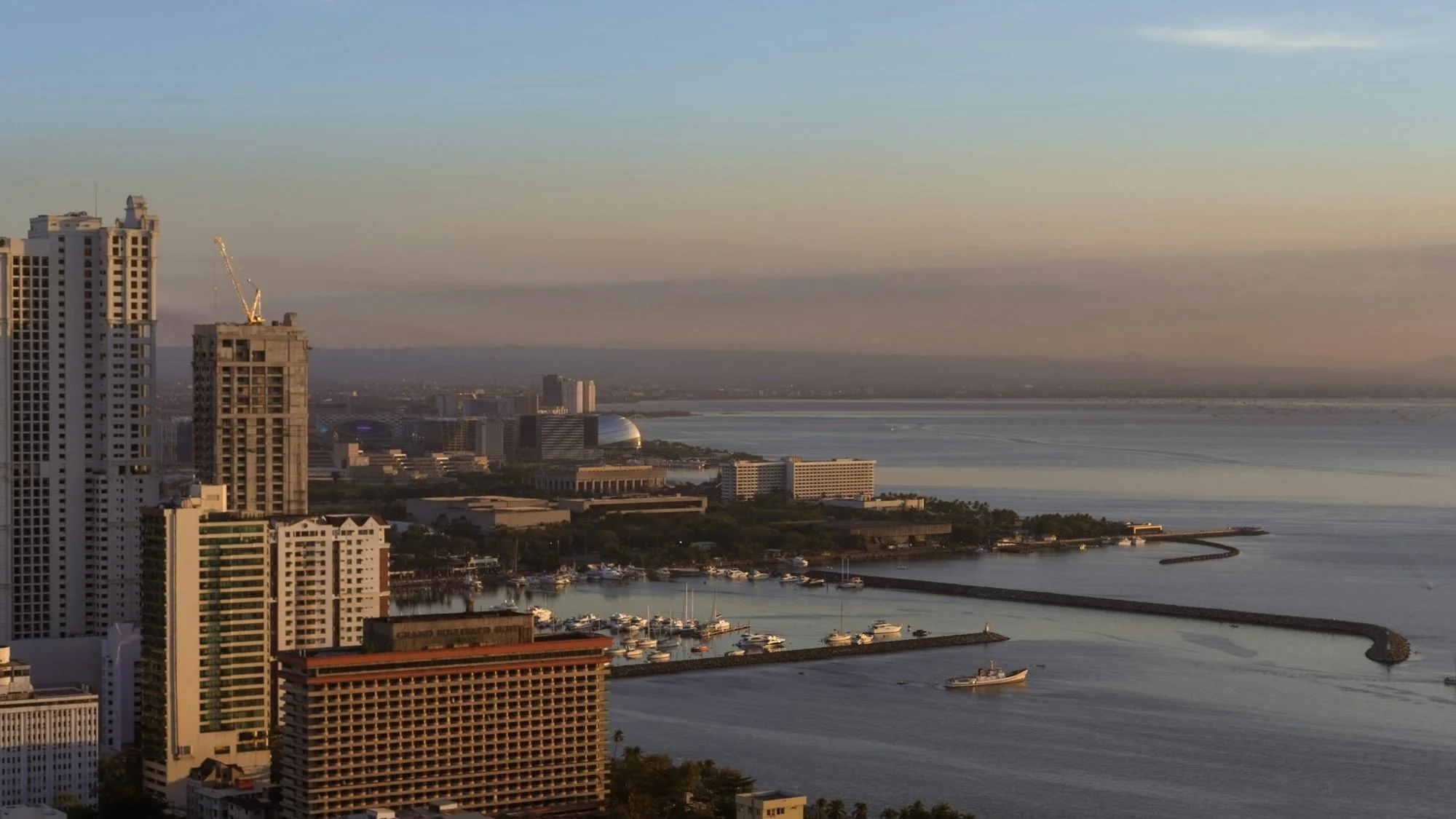
The Filipino nursing tradition is, by global consensus, one of the most respected clinical traditions on earth. Filipino nurses staff the most demanding hospitals in the United States, the Gulf, and Europe. They are trained for judgment, for devotion, and for the kind of care that does not flinch. Ipanema's registered nurses and clinicians come from this tradition. The Director of Nursing who will anchor Ipanema's clinical leadership comes from Manila.
Why gay men, specifically
There is discrimination in the home health care industry. Ipanema hires gay men, from these two traditions, to reduce that bias. The cultural fluency a gay caregiver brings to the home of an aging gay man is not a small matter. It is the difference between a caregiver who tolerates the life of the person they are serving, and a caregiver who recognizes it.
The nameWhy Ipanema.
Ipanema is the name of a place and a feeling. The neighborhood in Rio de Janeiro is known to aging gay men around the world as a place of welcome, ease, and sun. The Brazilian culture that gives the neighborhood its character is the culture Ipanema's caregivers bring to their work. The name is both a promise and a memory, of a place where men have gone for decades to feel held, and a kind of care that holds in the same way.
The founderMarlon McWilliams, PsyD
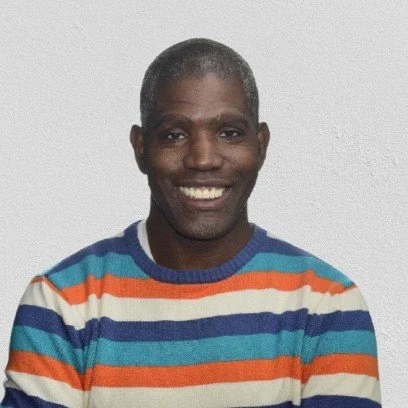
Marlon McWilliams is the founder and chief executive of Ipanema Life. He was born and raised in Chicago. He played Division I football at the University of Illinois. He taught high school chemistry and physics before earning a doctorate in clinical psychology and gerontology from New York University. He spent seven years in Shanghai building Asia-Pacific recruitment pipelines for PwC, served as a Vice President at Coinbase through the company's $86 billion public offering, and led a global team of 5,000 employees across three continents as a Director at Amazon.
He is fluent in Mandarin and spent fifteen years living between China and Japan. In February 2026 he left corporate life and moved from New York to San Rafael, to build the company that he believes the men of his community deserve. He volunteers as a psychologist at nonprofits focused on gerontology, identity, and the psychological wellbeing of aging adults.
Marlon is the founder. He is not the protagonist of this page. The men Ipanema serves are.
Begin the relationship.
There are two ways to begin a relationship with Ipanema. Schedule a Care Planning Session if care is the immediate need. Join Ipanema Circle if community comes first, and care, in time, will follow.