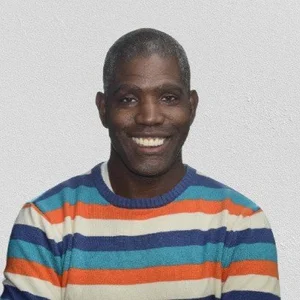
We are living longer than any previous generation — and we need new frameworks for what that means
A 55-year-old gay man in the San Francisco Bay Area today who does not smoke and has access to regular healthcare can realistically expect to live into his mid-80s or beyond. This is not abstract demography — it has profound implications for how gay men over 50 should think about health, finances, relationships, professional life, and the social infrastructure they will need as they age.
The HIV/AIDS Adjustment to the Longevity Story
The longevity story for gay men is more complicated than for the general population, and this requires honest acknowledgment. The AIDS epidemic reduced life expectancy significantly for gay men in the 1980s and 1990s. Many gay men over 50 today are living with HIV — managing it effectively with antiretroviral therapy, but in a body that has experienced both the virus and decades of treatment. Research on long-term health effects of HIV and accelerated aging in some body systems is ongoing and important.
The Social Longevity Gap
Gay men's biological longevity gains have not been matched by corresponding gains in social infrastructure for gay elder life. Mainstream elder care — nursing homes, assisted living, home health agencies — was built for a different population, and gay men who enter these settings often encounter hostility to their identities and relationships. Building LGBTQ+-affirming elder care infrastructure is an urgent response to the longevity revolution — which is precisely what Ipanema Life is doing.
What Longer Lives Actually Require
Living longer is only a good thing if the additional years are lived well. Research on successful aging consistently identifies: regular physical activity (the single strongest predictor of healthy aging); strong social connections (the second most powerful predictor); cognitive engagement — continuing to learn, create, solve problems; and purpose — reasons to get up in the morning that go beyond survival. Gay men who want to claim the full potential of their longer lives need to invest actively in all four.
The Financial Implications of Longevity
Longer lives require more money, and the financial planning industry has been slow to fully incorporate dramatically increased longevity. Gay men whose retirement planning was based on life expectancy assumptions from 20 years ago may find those plans inadequate. The risk of outliving your savings — longevity risk — is real and requires proactive planning. Ipanema Circle's financial literacy programming connects members with LGBTQ+-affirming financial advisors. Visit www.ipanemacare.com to see upcoming workshops.
Ready to Experience Ipanema Life?
Ipanema Circle is a private membership community for discerning gay men 50+ across Northern California and Palm Springs. Curated events. Genuine connection. A community designed for the life you have built.
Visit www.ipanemacare.com to explore membership, view upcoming events, and join the Ipanema Circle community.